

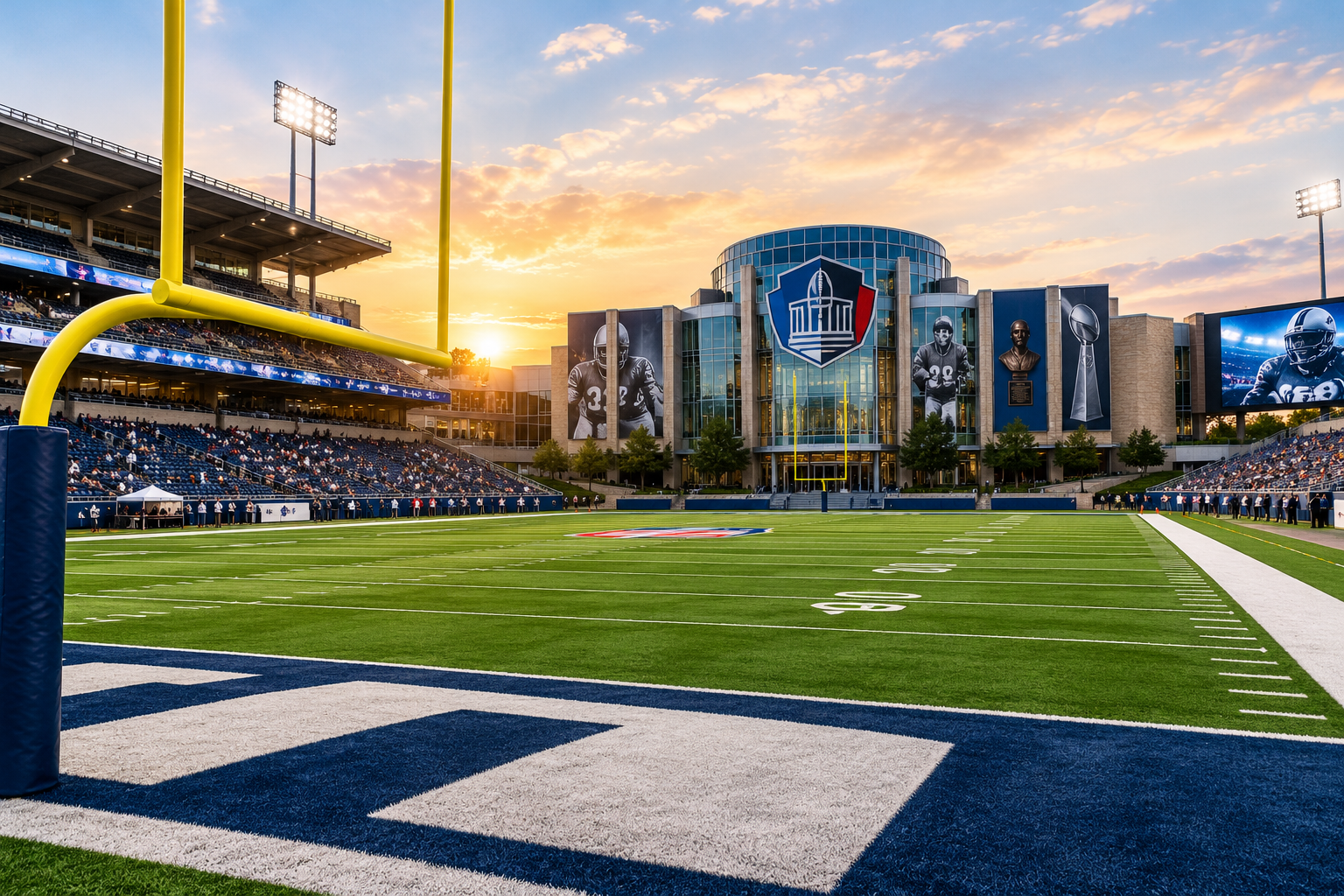
A Hall of Fame football field represents more than a place where players compete. It symbolizes the history, dedication, teamwork, and achievements that have shaped the sport of football. From legendary performances to unforgettable championship moments, these fields connect fans with the athletes and teams that have left a lasting mark on the game.
Whether someone is researching a famous football venue, planning a visit to a sports attraction, or learning about football history, understanding the meaning of a Hall of Fame football field offers an interesting look into the traditions of the sport.
What Is a Hall of Fame Football Field?
A Hall of Fame football field can refer to a football playing surface associated with a Hall of Fame, a historic stadium, or a venue that celebrates outstanding players and teams. These locations often connect the excitement of live football with exhibits, memorabilia, and stories about the sport’s greatest contributors.
The exact meaning depends on the location. For example, the Pro Football Hall of Fame in Canton, Ohio, is closely connected with professional American football history and the annual Pro Football Hall of Fame Enshrinement Week. Other football halls of fame and historic stadiums celebrate different leagues, levels, and traditions.
A Hall of Fame field may host games, ceremonies, youth competitions, community events, or special football experiences.
The History Behind Hall of Fame Football Fields
Football has developed through generations of athletes, coaches, and passionate supporters. As the sport grew, organizations began preserving its most important stories through museums, halls of fame, and historic sporting venues.
These places help future generations understand how football evolved, from earlier playing styles and equipment to modern training methods and stadium technology.
A field associated with football history can also provide a physical connection to the sport. Visitors may see where games take place, learn about legendary performances, and discover how individual achievements helped shape the teams and leagues they admire.
Important Features of a Hall of Fame Football Field
1. Professional Playing Surface
The playing surface is one of the most recognizable features of a football field. Depending on the venue, it may use natural grass or artificial turf. Both surfaces require maintenance to support player performance and provide suitable conditions for games.
Field markings, end zones, sidelines, and goalposts help define the playing area. At American football venues, yard lines and numbered markings are particularly important for understanding game situations.
2. Stadium Seating and Fan Areas
Some Hall of Fame-related venues include spectator seating that allows fans to watch matches and special events. Seating arrangements, accessibility features, restrooms, concessions, and entry points all contribute to the visitor experience.
Larger stadiums may offer electronic scoreboards, modern lighting, hospitality spaces, and media facilities.
3. Historical Displays and Memorabilia
A major attraction at a football Hall of Fame is the opportunity to explore the sport’s history. Exhibits may feature jerseys, helmets, photographs, trophies, championship memorabilia, and stories about famous players.
These displays help visitors appreciate the effort behind memorable performances and learn about athletes whose careers influenced the game.
4. Training and Community Facilities
Some football venues also support local sports programs, youth leagues, training sessions, and educational activities. These facilities encourage young athletes to develop their skills while learning about discipline, teamwork, and sportsmanship.
Why the Hall of Fame Football Field Is Important
A Hall of Fame football field can serve several purposes beyond hosting games.
Preserving football history: Historic venues and Hall of Fame attractions help protect the stories, achievements, and traditions of the sport.
Inspiring young players: Learning about legendary athletes can motivate aspiring football players to practice consistently and develop their abilities.
Bringing communities together: Football events create opportunities for families, fans, former players, and local organizations to share their enthusiasm.
Supporting sports education: Visitors can learn about football rules, tactics, training, sportsmanship, and the development of the game.
Celebrating excellence: Hall of Fame traditions recognize exceptional contributions from players, coaches, officials, and other important figures in football.
Hall of Fame Football Field vs. a Regular Football Field
Although both may provide space for competitive play, their broader purposes can differ.
A regular football field is primarily designed for practices, games, and sporting events. A Hall of Fame-associated venue may combine those activities with historical recognition, educational exhibits, commemorative events, and opportunities to learn about football legends.
However, not every Hall of Fame has its own dedicated playing field. Some organizations primarily operate museums, recognition ceremonies, and educational attractions, while games take place at separate stadiums.
What Visitors Can Experience
The experience depends on the specific Hall of Fame or stadium, but visitors may be able to explore football exhibits, view historic equipment, learn about famous careers, attend special events, or watch a game.
Before visiting, it is helpful to check the venue’s official website for opening hours, ticket information, stadium tours, accessibility details, and event schedules. Field access may be restricted during private events, maintenance, or match preparations.
Fans interested in American football may consider exploring the Pro Football Hall of Fame in Canton, Ohio, while fans of other forms of football can look for national, regional, or club-based halls of fame connected with their preferred sport.
The Role of Technology in Modern Football Fields
Modern football venues increasingly use technology to improve safety, maintenance, and the fan experience. Depending on the facility, this can include advanced field drainage, turf monitoring, stadium lighting, video scoreboards, replay systems, and digital ticketing.
Sports science also plays an important role in football development. Coaches and training staff may use video analysis and performance data to evaluate technique, improve preparation, and support player development.
These developments demonstrate how football can preserve its traditions while adopting new approaches to performance and venue management.
How to Find a Hall of Fame Football Field
If you want to visit a Hall of Fame football field, begin by identifying the sport and location you are interested in. The phrase may refer to American football, association football (soccer), a historic stadium, or a particular local facility.
Use the venue’s official website to confirm its address, whether it has an actual playing field, tour availability, upcoming events, and visitor requirements. Searching for the exact name of the Hall of Fame or stadium can help avoid confusion between a museum and a sports venue.
Conclusion
A Hall of Fame football field represents the lasting connection between athletic achievement, sporting tradition, and community pride. Depending on the venue, it may offer a place to play, watch games, explore football history, or celebrate the people who have helped shape the sport.
For fans, players, and visitors, these locations provide a way to appreciate football beyond the final score. They preserve important memories, inspire future athletes, and remind everyone that the game’s greatest legacy is built through dedication, teamwork, and passion.
SEO Details
SEO Title: Hall of Fame Football Field: History, Features, and Importance
Focus Keyword: Hall of Fame football field
Meta Description: Discover the history, features, importance, and visitor experience of a Hall of Fame football field and its connection to football legends.
URL Slug: hall-of-fame-football-field
Suggested Image Alt Text: Football field at a Hall of Fame sports venue with stadium seating and goalposts.
