

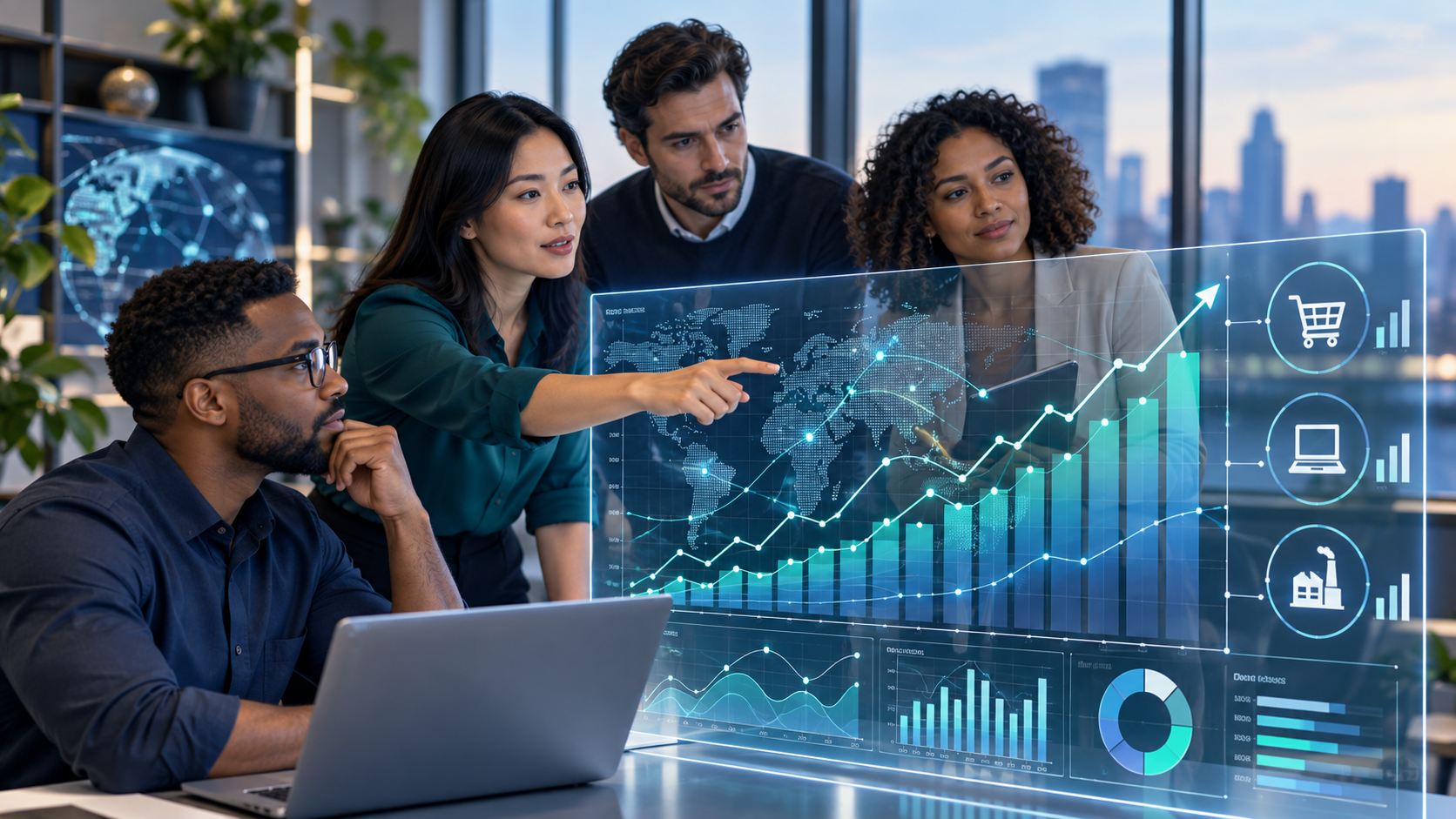
The group that typically predicts trends in an industry is market research analysts and trend forecasters. They study patterns in consumer behavior, sales, technology, culture and market conditions to estimate what may become important next.
The exact job title depends on the industry. A fashion company may rely on trend forecasters, while a technology firm may work with industry analysts and data scientists. In many organizations, these specialists collaborate: analysts find patterns in data, and industry experts help interpret what those patterns could mean.
What do market research analysts do?
Market research analysts collect and interpret information about customers, competitors and business conditions. They may use surveys, interviews, focus groups, sales records and public data to understand what people want and how a market is changing. The U.S. Bureau of Labor Statistics notes that these analysts may interpret their findings and forecast future trends. bls.gov
For example, an analyst might compare several years of sales with customer survey results. If interest in a product is rising across different age groups and regions, the analyst may identify it as a trend worth watching.
What do trend forecasters do?
Trend forecasters look beyond recent sales. They scan for changes in culture, design, technology, consumer habits and other areas that could influence an industry. They may track online conversations, study new products, attend trade events and interview people with relevant expertise.
Their job is to interpret early signals and explain how they might affect future products or business decisions. In fashion, for instance, a forecaster might connect changes in consumer values, colors and materials to likely design directions. A University of Minnesota open textbook describes forecasting as observing broad cultural changes and interpreting how they may influence users and industry needs. open.lib.umn.edu
How do they identify patterns?
Trend prediction usually combines several kinds of evidence:
- Historical data: Past sales, prices and seasonal cycles can show how demand has changed.
- Customer research: Interviews and surveys help explain what people prefer and why.
- Industry signals: New products, competitor activity, investment and supply changes can indicate where a market is heading.
- Cultural signals: Shifts in media, technology and everyday behavior can point to changing expectations.
- Data analysis: Statistical tools can help identify repeated patterns across large datasets.
No single clue proves that a trend will last. Analysts compare signals from different sources and consider whether an apparent pattern is temporary, seasonal or part of a deeper shift.
Other professionals may contribute
Trend forecasting is often team work. Data scientists can build models that detect patterns in large datasets. Economists may examine broader conditions such as employment, prices and consumer spending. Product teams, designers, sales staff and industry specialists add practical knowledge that helps test whether a forecast makes sense.
Some companies also hire external research firms or industry analysts. In technology, for example, an industry analyst may study the market, compare suppliers and report on changes in how businesses use particular products or services.
Can these groups predict the future accurately?
Forecasting is an informed estimate, not a guarantee. A pattern can change when new technology appears, consumer priorities shift or unexpected events affect the market. Good forecasts explain the evidence behind a prediction and make clear what assumptions it depends on.
For that reason, organizations often treat forecasts as guidance for planning rather than certainty. They may use them to decide what to research, produce or invest in, then update their plans as new information arrives.
The short answer
When people ask which group typically predicts trends in industry based on patterns, the clearest answer is market research analysts and trend forecasters. Data analysts, economists and industry specialists may also contribute. Together, they use evidence from markets and people’s behavior to identify possible changes and help organizations prepare for what may come next.
