

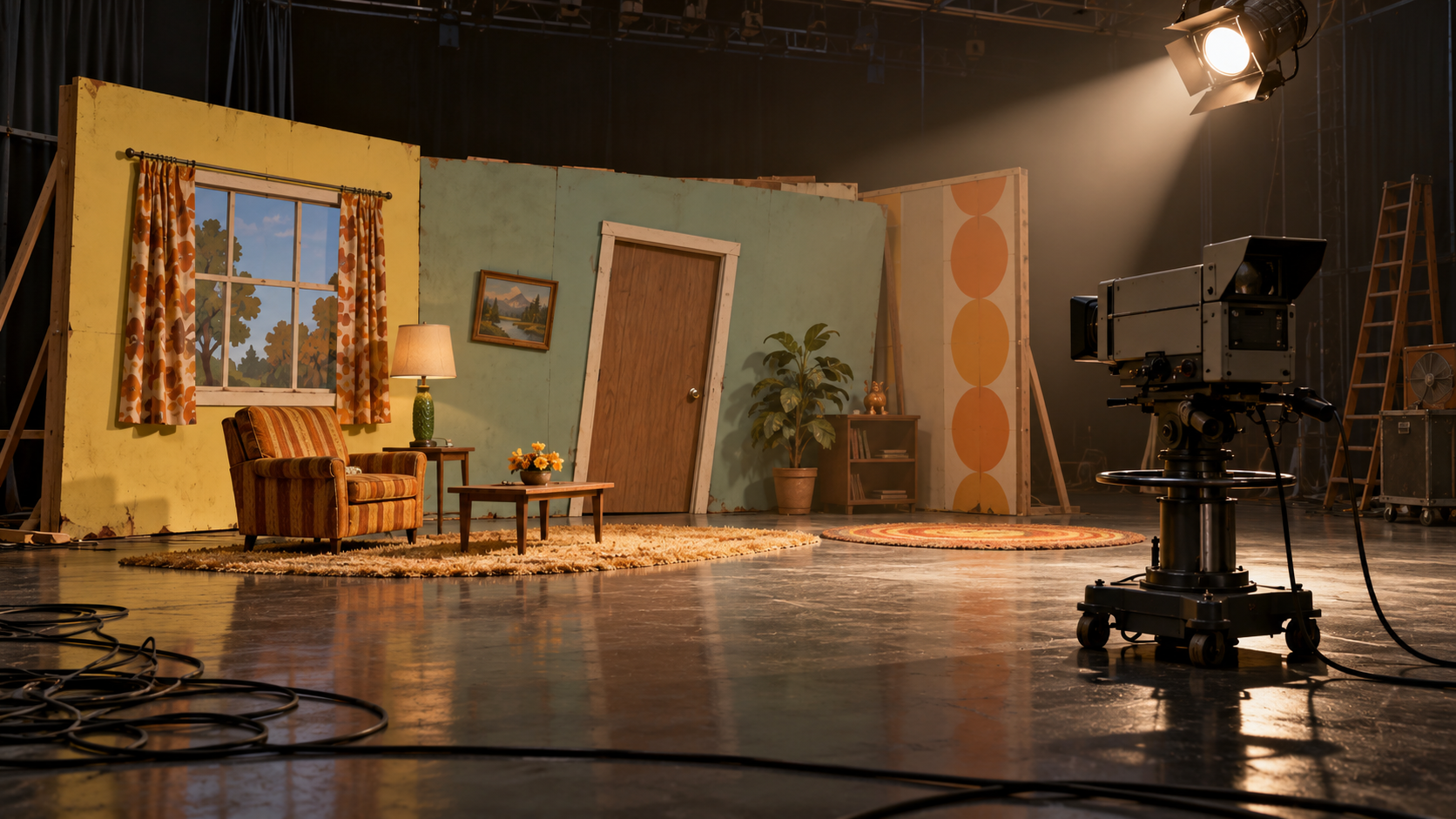
Ask a group of viewers to name the worst television show ever, and the discussion can quickly become more entertaining than the programs being debated. One person may nominate a drama with tangled plots, another may point to a comedy whose jokes never land, while someone else remembers a reality series that felt impossible to watch. “Worst” depends on expectations, taste, and the standards people use to judge a show.
What makes a television show feel bad?
Weak writing is often the first complaint. Viewers notice when characters make choices that do not fit their personalities, storylines repeat without moving forward, or dialogue explains what the audience already understands. A promising idea can lose its appeal when episodes feel predictable or the ending does not reward the time spent watching.
Performances and production also shape a viewer’s reaction. Stiff acting, awkward editing, distracting effects, or an uneven tone can make a show feel less convincing. Some viewers forgive technical roughness when a program has warmth, imagination, or an engaging cast.
Pacing is another reason people abandon a show. A slow story can create suspense when each scene adds useful detail. It feels frustrating when episodes stretch small conflicts without revealing anything new.
Why audiences disagree
The same series can attract loyal fans and harsh critics. Humor is personal: a joke that feels clever to one viewer may seem tired to another. A genre enthusiast may enjoy familiar conventions, while a newcomer may find them repetitive. Nostalgia can soften opinions, too. People who watched a show during a memorable period may value the experience even if they recognize its flaws today.
Context matters. A show made for a limited budget may look dated beside current productions, but it should be considered in light of its era and intended audience. A series that fails commercially can later gain a devoted following because of its unusual style, memorable scenes, or unintended comedy. A reputation for being terrible does not always prevent a program from becoming entertaining in a different way.
Is there really a worst show ever?
The phrase “worst television show ever” works best as an invitation to debate, not a final verdict. Viewers can make their case by naming what did not work: inconsistent characters, weak storytelling, poor pacing, or a mismatch between promise and delivery. Those details make a discussion more useful than simply declaring a winner.
A thoughtful ranking should distinguish between “I dislike this” and “this is badly made.” Personal taste is valid, but craft, clarity, and consistency offer a clearer basis for comparison. Even then, no list can satisfy everyone.
That is why worst-show debates keep returning. They let fans compare memories, defend unlikely favorites, and laugh at television’s most puzzling choices. The worst television show ever may be different for every viewer. The more interesting question is what made it so hard to watch—and whether anyone else secretly loved it.
