
Sodium is an essential mineral that helps the human body maintain fluid balance, support nerve function, and regulate muscle activity. However, consuming too much sodium can increase blood pressure and contribute to serious health problems.
Many people wonder, what is daily recommended amount of sodium, and how can they maintain a healthy intake? Understanding sodium guidelines can help you make better dietary choices and protect your long-term health.
What Is the Daily Recommended Amount of Sodium?
According to the American Heart Association, most adults should consume no more than 2,300 milligrams of sodium per day.
The organization also recommends an ideal daily limit of 1,500 milligrams for most adults, particularly those concerned about high blood pressure.
Meanwhile, the World Health Organization recommends consuming less than 2,000 milligrams of sodium daily.
These recommendations are designed to support cardiovascular health and reduce the risks associated with excessive sodium consumption.
Daily Sodium Intake Recommendations by Age
Sodium requirements and recommended limits vary depending on age.
According to guidance presented by the Centers for Disease Control and Prevention:
| Age Group | Recommended Daily Limit |
|---|---|
| 1–3 years | Less than 1,200 mg |
| 4–8 years | Less than 1,500 mg |
| 9–13 years | Less than 1,800 mg |
| 14 years and older | Less than 2,300 mg |
Individual requirements may vary depending on health conditions and medical advice.
Why Does Your Body Need Sodium?
Sodium plays several important roles in maintaining normal body functions.
Fluid balance: Sodium helps regulate fluid levels inside and outside cells.
Nerve function: It supports the transmission of electrical signals throughout the nervous system.
Muscle activity: Sodium contributes to normal muscle contraction and relaxation.
Although sodium is necessary, the body requires relatively small amounts to function properly.
What Happens When You Eat Too Much Sodium?
Consuming excessive sodium regularly can negatively affect your health.
One major concern is increased blood pressure, which can raise the risk of heart disease and stroke.
High sodium consumption may also contribute to fluid retention in some individuals.
People with kidney disease, heart conditions, or hypertension may need more personalized sodium restrictions recommended by healthcare professionals.
Foods That Are High in Sodium
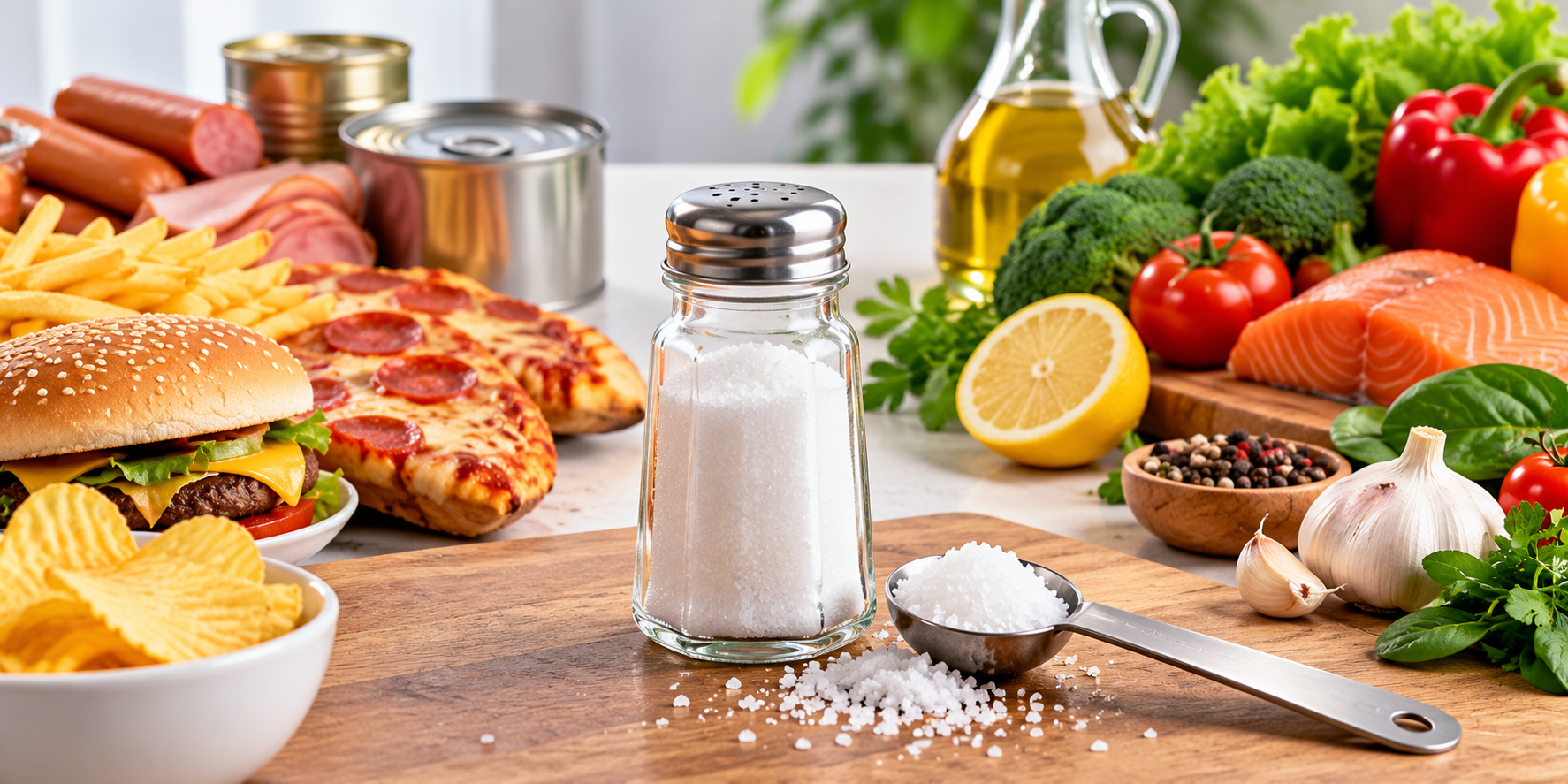
Many everyday foods contain more sodium than people realize.
Common examples include:
- Processed meats and sausages
- Packaged soups and instant noodles
- Pizza and fast food
- Chips and salty snacks
- Canned foods and ready-made meals
- Sauces, dressings, and condiments
Even foods that do not taste particularly salty can contain substantial amounts of sodium.
How to Reduce Sodium Intake Naturally
Reducing sodium does not mean sacrificing flavor.
Start by choosing fresh ingredients instead of heavily processed foods.
Use herbs, garlic, lemon juice, and spices to enhance meals without relying on excessive salt.
Read nutrition labels carefully and compare sodium levels between similar products.
Preparing meals at home also provides better control over added salt.
Remember that approximately one teaspoon of table salt contains 2,300 milligrams of sodium.
Frequently Asked Questions
Is 2,000 mg of Sodium Too Much?
For many adults, 2,000 milligrams is below the general U.S. daily limit of 2,300 milligrams. However, the WHO recommends consuming less than 2,000 milligrams daily.
Is 1,500 mg of Sodium Safe?
For most adults, 1,500 milligrams is considered an appropriate target by the American Heart Association. Certain medical conditions, medications, or heavy sweating may require individualized guidance.
Conclusion
Understanding what is daily recommended amount of sodium is an important step toward maintaining a healthy diet.
Most adults should aim to stay below 2,300 milligrams daily, while lower targets may provide additional cardiovascular benefits.
By monitoring food labels, limiting processed foods, and preparing balanced meals, you can manage sodium intake and support better overall health.
